
.jpg-40x40.webp "Curved Snaps Buttons")

.jpg-40x40.webp "Prong Snap Fasteners for Baby Clothes")


.jpg-40x40.webp "Snap Fasteners Half Dome type")
.jpg-40x40.webp "Magnetic Snaps Buttons")


-no5-k0010%20(3).jpg-40x40.webp "Eyetlets")


-K0014.png-40x40.webp "Steel Eyelets and Iron Metal Grommets")


.jpg-40x40.webp "Flat Brass Eyelets and Grommets")


.jpg-40x40.webp "Aluminum Eyelets and Grommets")
.jpg-40x40.webp "Galvanized Eyelets and Grommets")


.jpg-40x40.webp "Grommet Punching Dies")
.jpg-40x40.webp "Hole Cutter Tools and Punching Dies")


.jpg-40x40.webp "Pearls Types")


.jpg-40x40.webp "Water-Repellent Jacket Zippers")


.jpg-40x40.webp "Tires")

.jpg-40x40.webp "Round Braided Elastic Cord")


.png-40x40.webp "Bag Making Kits")

.png-40x40.webp "Continuous Zipper Sets")


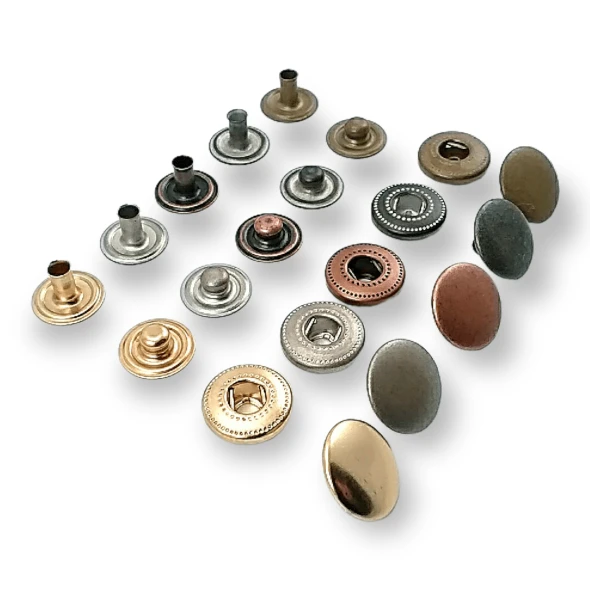
-no5-k0010%20(3).jpg-590x590.webp "Eyelets and Grommets")
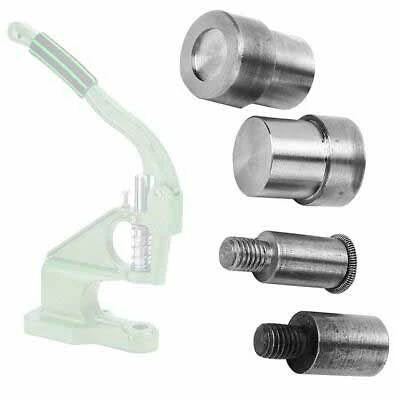
.jpg-590x590.webp "Rivets")
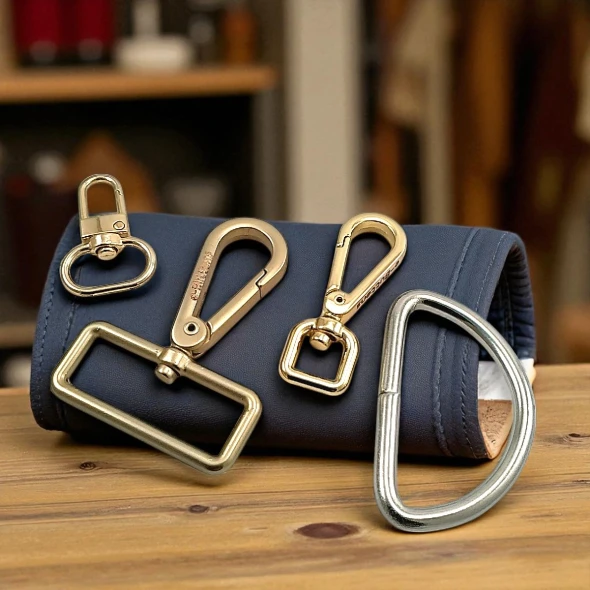
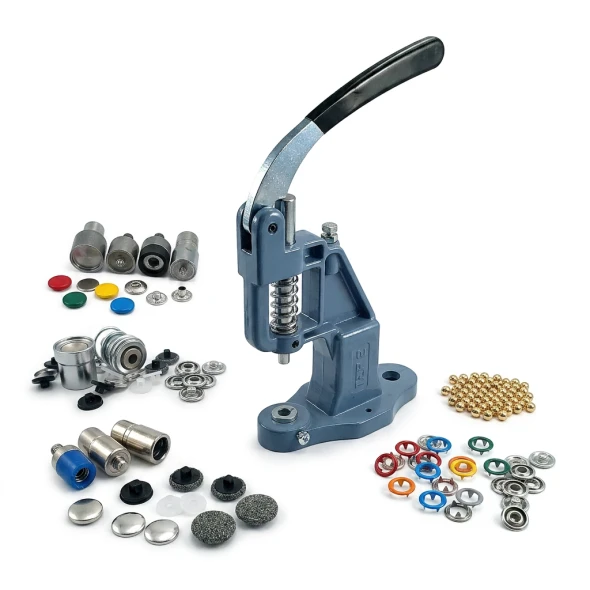

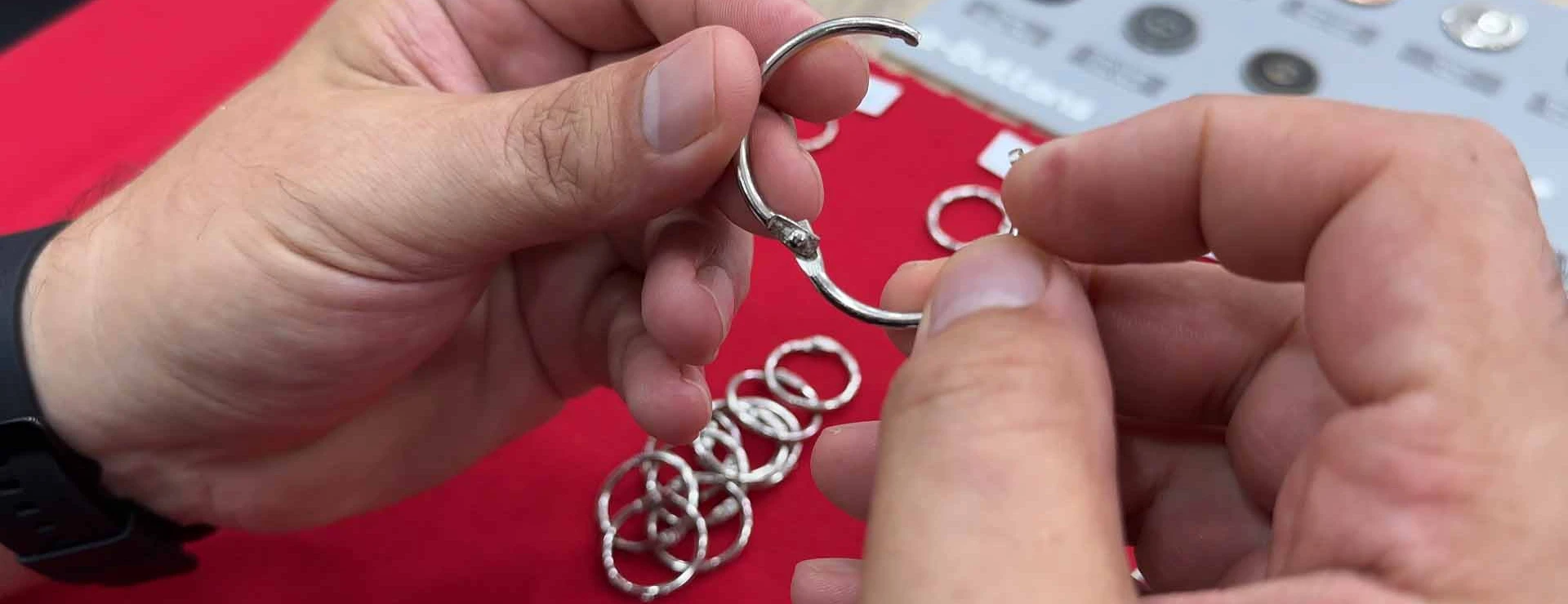
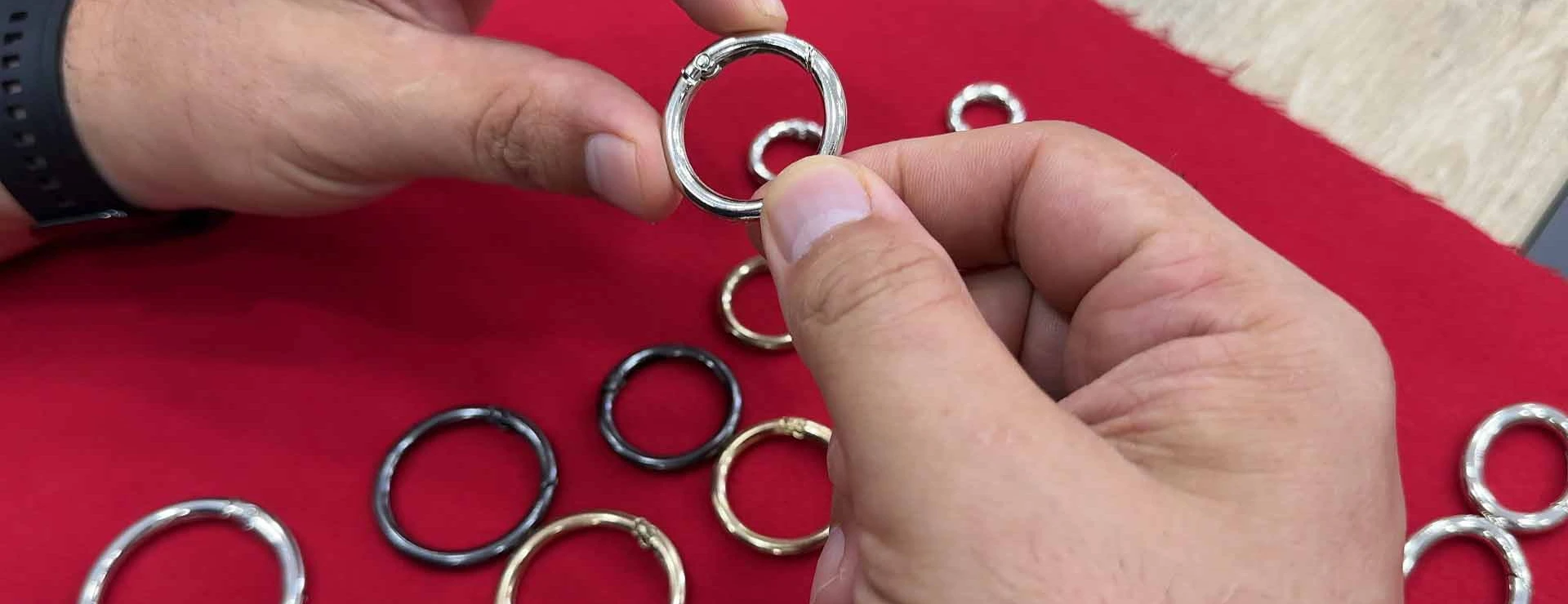
.png-300x250h.webp "Hook and Eye Closures Sew-On")
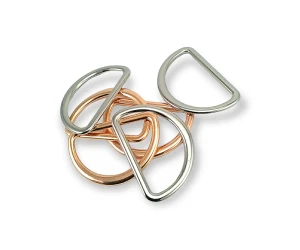
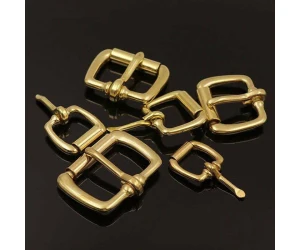
.jpg-300x250h.webp "Carabiner Clips, Snap Hooks and Bag Hooks")
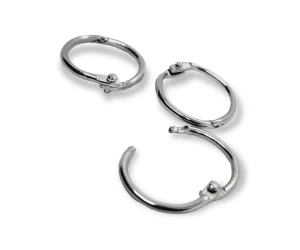
-PhotoRoom.png-300x250h.webp "Spring Rings, Key Rings and Snap Clamps")
Spring Rings, Key Rings and Snap Clamps for Bags and Accessories
-A-677.jpg-230x230.webp "20 mm Keychain Ring (500 Pcs/Pack) A 677")
Keychain rings are generally used in bags, straps, key chains, textile and leather products. It adds functionality and aesthetics to the products.
These rings are made of iron (sheet metal) and are professional quality, durable and very easy to apply.
Special coating has been applied to make shi..
24.75 USD
Ex Tax:22.50 USD
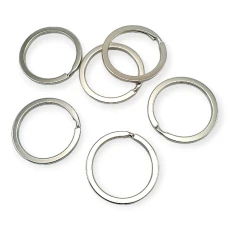
Keychain rings are generally used in bags, straps, key chains, textile and leather products. It adds functionality and aesthetics to the products.
These rings are made of iron (sheet metal) and are professional quality, durable and very easy to apply.
Special coating has been applied to make shi..
29.70 USD
Ex Tax:27.00 USD
-A-677.png-230x230.webp "24 mm Keychain Ring CUP0018")
On sale
Keychain rings are generally used in bags, straps, key chains, textile and leather products. It adds functionality and aesthetics to the products.
These rings are made of iron (sheet metal) and are professional quality, durable and very easy to apply.
Special coating has been applied to make shi..
0.48 USD 0.67 USD
Ex Tax:0.43 USD
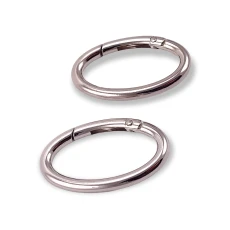
These egg shape spring rings are made of zamak metal and are professional quality sturdy and very easy to apply.
Special coating has been applied to make shiny, smooth metal rings. You can view our other buckle and ring accessories here.
Standard colors are presented in options. Please contact us ..
0.74 USD
Ex Tax:0.68 USD
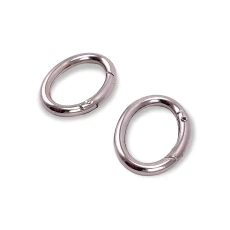
These elliptical shape spring rings are made of zamak metal and are professional quality sturdy and very easy to apply.
Special coating has been applied to make shiny, smooth metal rings. You can view our other buckle and ring accessories here.
Standard colors are presented in options. Please cont..
0.71 USD
Ex Tax:0.65 USD
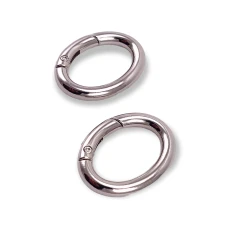
Metal Spring Bag Ring, also called spring bag ring or ring parrot hook, is used in every imaginable place. You'll find them in bags, wallets, camera bags, bridle caps, dog collars, belts, camping gear, hiking gear, and just about anything else you can think of.
These oval spring rings are mad..
0.69 USD
Ex Tax:0.63 USD
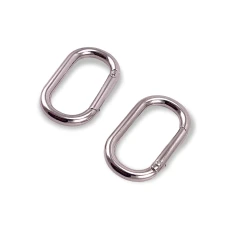
These oval spring rings are made of zamak metal and are professional quality durable and very easy to apply.
Special coating has been applied to make shiny, smooth metal rings. You can view our other buckle and ring accessories here.
Standard colors are presented in options. Please contact us for ..
0.71 USD
Ex Tax:0.65 USD
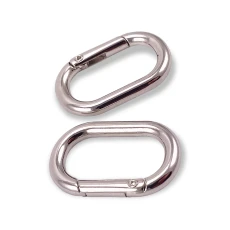
These oval spring rings are made of zamak metal and are professional quality durable and very easy to apply.
Special coating has been applied to make shiny, smooth metal rings. You can view our other buckle and ring accessories here.
Standard colors are presented in options. Please contact us for ..
0.62 USD
Ex Tax:0.57 USD
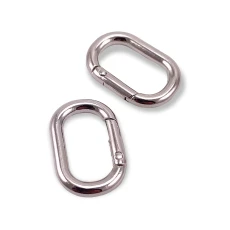
These rings are made of metal and are professional quality robust and very easy to apply.
Special coating has been applied to make shiny, smooth metal rings. You can view our other buckles and ring accessories here.
Presented in standard options. Please contact us for different color options.
D..
0.50 USD
Ex Tax:0.46 USD
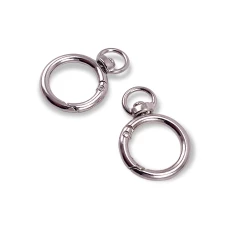
These rings are made of metal and are professional quality robust and very easy to apply.
Special coating has been applied to make shiny, smooth metal rings. You can view our other buckles and ring accessories here.
Presented in standard options. Please contact us for different color options.
D..
0.53 USD
Ex Tax:0.49 USD
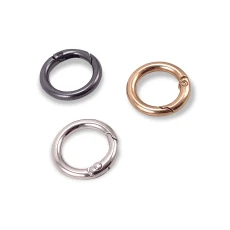
These rings are made of metal and are professional quality robust and very easy to apply.
Special coating has been applied to make shiny, smooth metal rings. You can view our other buckles and ring accessories here.
Presented in standard options. Please contact us for different color options.
D..
0.30 USD
Ex Tax:0.27 USD
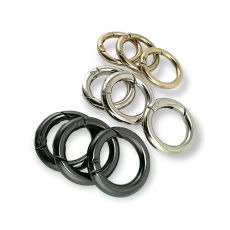
Collapsible metal handcuff key ring, also called Spring Ring or Handcuff Keychain Ring, is used in every imaginable place. You'll find them in bags, wallets, camera bags, bridle caps, dog collars, belts, camping gear, hiking gear, and just about anything else you can think of.
These rings are..
0.30 USD
Ex Tax:0.27 USD
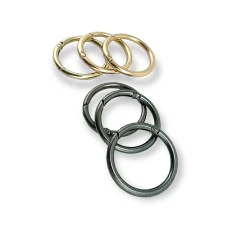
Spring O-Rings, also called Spring Ring or Ring Parrot hook, are used everywhere imaginable. You'll find them in bags, wallets, camera bags, bridle caps, dog collars, belts, camping gear, hiking gear, and just about anything else you can think of.
These rings are made of metal and are profess..
0.46 USD
Ex Tax:0.42 USD
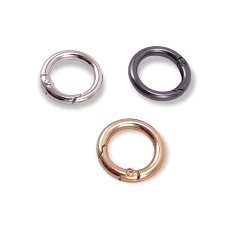
Spring O-Rings, also called Snap Clamps or Key Chain Rings, are used everywhere imaginable. You'll find them in bags, wallets, camera bags, bridle caps, dog collars, belts, camping gear, hiking gear, and just about anything else you can think of.
These rings are made of metal and are professi..
0.29 USD
Ex Tax:0.26 USD
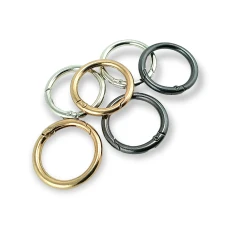
Metal Spring Bag Ring, also called spring bag ring or ring parrot hook, is used in every imaginable place. You'll find them in bags, wallets, camera bags, bridle caps, dog collars, belts, camping gear, hiking gear, and just about anything else you can think of.
These rings are made of metal a..
0.35 USD
Ex Tax:0.32 USD
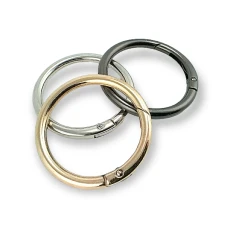
Spring O-Rings, also called Spring Ring or Ring Parrot hook, are used everywhere imaginable. You'll find them in bags, wallets, camera bags, bridle caps, dog collars, belts, camping gear, hiking gear, and just about anything else you can think of.
These rings are made of metal and are profess..
0.59 USD
Ex Tax:0.54 USD
Showing 1 to 16 of 16 (1 Pages)